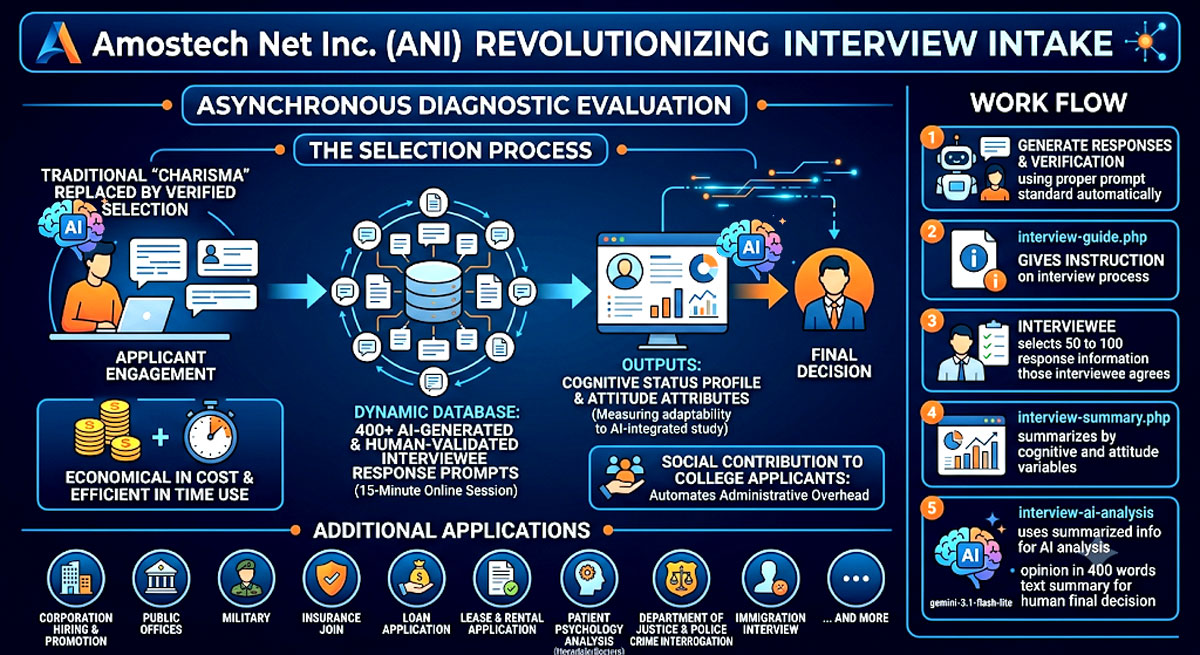
Gemini AI College (AIGC) System Architecture, and Description. 1. Interview Assisted Admissions This node serves as the dynamic, intelligent gateway for prospective students entering the college ecosystem. Moving away from rigid, traditional applications, this structure utilizes interactive, AI-assisted matrices to conduct personalized, adaptive admission interviews. By evaluating a student's technical background, natural aptitude, and learning goals in real-time, the system generates deep-dive statistical profiles. These insights are compiled into structured data vectors, allowing administrative teams to make highly informed, holistic entry decisions that set the student up for targeted academic success from day one.
2. Course Curriculum & Advice Paths This module acts as an intelligent academic compass, mapping out tailored educational trajectories for every student. By running continuous course catalog analysis against individual student profiles, the engine generates custom, AI-assisted course advice. Rather than navigating a static directory, students receive step-by-step guidance to select classes that directly align with their ultimate career goals. The entire journey—from initial catalog matching to registration and final course list management—is fully automated, ensuring that each learner's path through the curriculum is fluid and optimized.
3. Academic Studies via NotebookLM This structure powers the interactive learning heart of the college, utilizing a source-grounded, RAG-filtered "Study Desk" architecture to drive deep comprehension. Leveraging advanced Socratic dialog tutors, the platform translates raw, complex curriculum materials into highly engaging interactive mediums—including slides, audio, video, custom quizzes, and tailored podcasts. By prompting active recall and continuous inquiry, the system fosters natural muscle memory, effectively bypassing traditional, passive on-the-job training. This ensures students master the fundamental mechanics of their chosen engineering or technical fields.
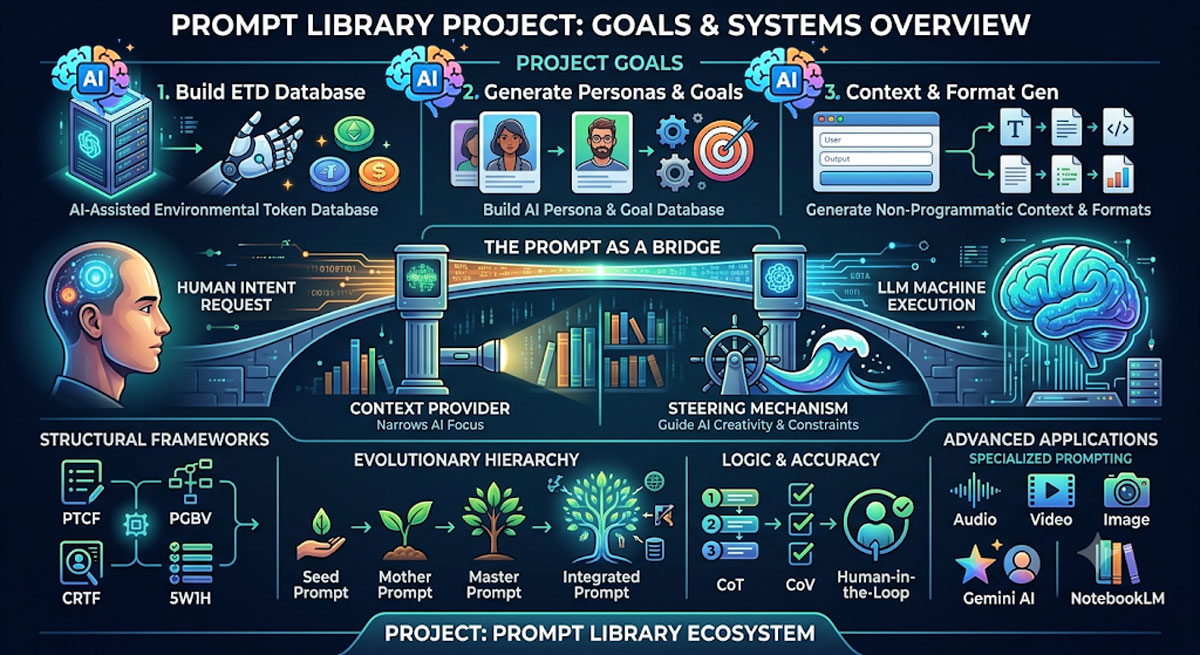
4. Core Development Nodes (Prompt & Code Lab) Serving as the functional engineering hub of the curriculum, this double node hosts the core development sandbox. Here, students interact with advanced, AI-assisted prompt generators and coding labs. The node translates common, natural language instructions into functional code across languages like PHP, Python, SQL, and HTML. Simultaneously, the system runs an integrated QA linting engine—reminiscent of prompt validation tools—to verify, debug, and optimize written structures. This hands-on environment teaches students to build clean, secure applications while mastering modern, AI-assisted software development.
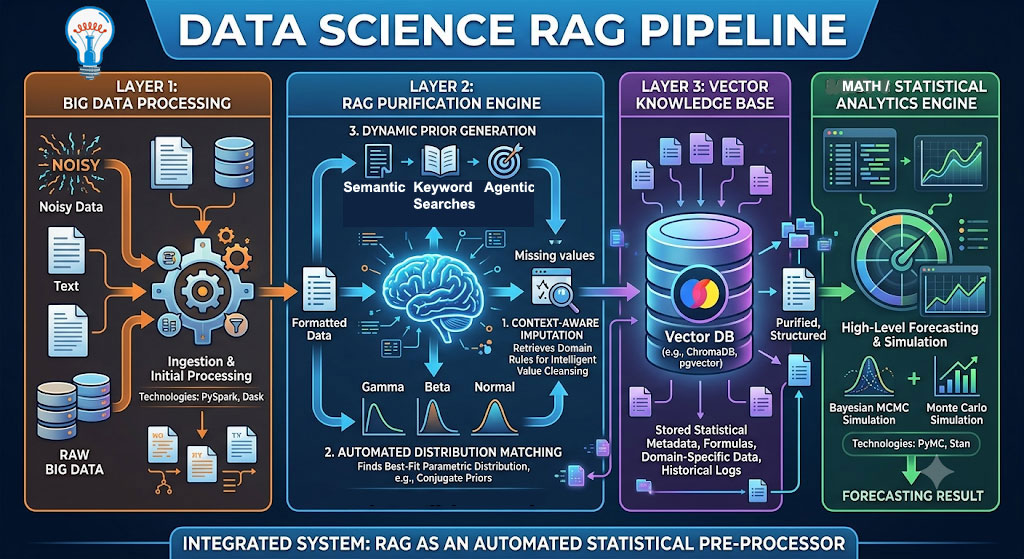
5. Exam Statistical & AI Analysis This structure modernizes traditional examination systems by introducing automated statistical analytics and deep performance diagnostics. When a student completes an interactive exam quiz, the backend processes the results to map key strengths and critical concept gaps. Rather than generating a simple pass-or-fail grade, the AI analytics engine breaks down performance vectors to deliver personalized post-exam advice. This targeted feedback loop helps students focus precisely on areas needing reinforcement, while providing the institution with aggregate learning data to refine curriculum materials.
6. Security Verification & API Key Control The security and authentication node safeguards the integrity of the college's digital campus. This structural layer manages human-verification protocols, session variables, and critical API key registrations. By maintaining tight control over cloud resources and API integrations, it ensures that only authorized learners and instructors access core AI features. Additionally, the system continuously monitors the gateway for structural threats, instantly flagging anomalies like malware intrusions to maintain a secure, high-performance sandbox environment where students can code and experiment safely.
7. Admin / Bursar Store Automation This department drives the operational efficiency of the college by automating essential administrative and business functions. Integrating with the digital storefront, it manages student textbook distribution, educational service registrations, and administrative monitoring dashboards. By shifting routine tasks—like processing transactions and updating registration ledgers—to automated backend scripts, the college minimizes administrative overhead.